October 12, 2026



You have booked the flight, checked the visa, and downloaded the airline app. The part most people leave until they are standing in the security queue is the digital prep — and an airport gate is the worst place to fix a privacy setting. A short session at the kitchen table an evening or two before departure covers almost everything here. None of it is complicated. Most takes a few taps, and the rest is deciding what you actually need to carry with you.
Full-disk encryption is the foundation. If your phone or laptop is lost, stolen, or briefly out of your hands, encryption is what turns it from a readable diary into a brick. On iPhones and most modern Android devices, encryption is active once you set a passcode. On a Mac, check FileVault in System Settings; on Windows, look for BitLocker or Device Encryption. Turn it on before the trip, not at the hotel, and let the initial encryption finish while you still have reliable power.
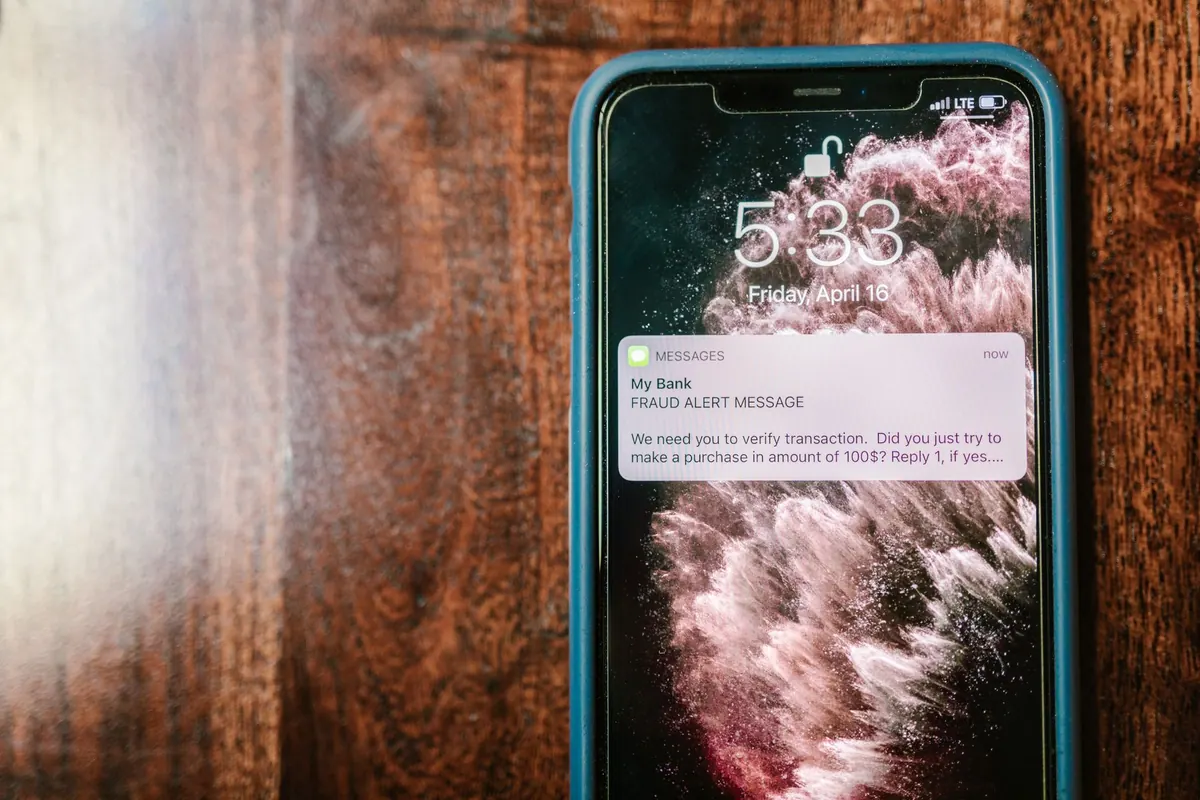
Then tighten the front door. A four-digit PIN is weak — choose six or more digits, or an alphanumeric passcode if the device supports one. Set auto-lock to 30 seconds or a minute. Turn off message previews on the lock screen, because a visible text can display a one-time login code to anyone holding the phone. Disable lock-screen access to the control centre, voice assistant, and wallet so a stranger cannot put the device in airplane mode or trigger payments.
Face and fingerprint unlock are convenient, but in some countries officials may treat compelled biometrics differently from a passcode you decline to provide. Rules and practices vary widely by jurisdiction, and they can change. If this matters for where you are going, check the current rules for your destination and your nationality, and consider switching to passcode-only a day before you travel. For anything consequential, ask a lawyer rather than a forum thread.
The less you carry, the less there is to expose. Spend twenty minutes clearing out the things that would be annoying or damaging in someone else's hands:
If you work remotely, follow your employer's travel policy. Company laptops often have their own rules about VPNs, exports, and what may cross a border — your IT or security team will tell you what they expect.
A VPN routes your traffic through an encrypted tunnel, which matters most on hotel, café, and airport networks where you cannot see who else is connected. The setup is the easy part; the failure modes appear later.
Free VPN apps that monetise your browsing history are a poor trade for your email and banking traffic. Use a paid service you trust, or your employer's, and skip the VPN entirely when you are on a network you control.
Posting from the departure lounge announces that your home is empty and your routines are on pause. Keep the trip photos for after you return, or at least keep the timing vague. Set accounts to friends-only, turn off public posting, disable location tagging in the camera app, and switch on tag review so you approve anything you are tagged in.
Then handle the accounts you have forgotten. Open the security settings of your main email, cloud, and social accounts and review active sessions — sign out of every device you do not recognise or no longer use, including that old tablet. Change any password still reused from a breach. If your second factor is a text message to a number you will not be able to receive abroad, add an authenticator app and save your backup codes somewhere offline before you leave. Losing access to your own email mid-trip is a genuine hassle; losing it while you are also jet-lagged is worse.
At some borders, officers can ask travellers to unlock a phone or hand over a laptop for inspection. Policies differ from country to country, and they can be applied inconsistently. You do not control that, but you can control how much is on the device.
A locked phone and a short list of what you are carrying will do more for you at a border than any app you install on the plane.
Keep the device powered off or locked until you are asked. Do not volunteer a passcode, and do not lie to an official — refusal and cooperation both have consequences, and those consequences differ by country. If you plan to refuse a request, understand the possible outcomes and, if it matters to you, get legal advice about the specific destination before departure.
Practical reductions help more than clever tricks. Travel with a freshly backed-up phone that contains only what you need for the trip. Sign out of email, cloud storage, and messaging archives rather than relying on a hidden folder. If you carry a work device, ask whether a clean travel laptop or a loaner is an option. And make sure any backup you left at home is encrypted, with a strong passphrase you have actually tested.
Once you arrive, small habits carry most of the weight. Turn off auto-join for open Wi-Fi networks and clear the list of saved networks from previous trips, so your phone is not silently connecting to a lookalike hotspot. Prefer your own mobile data or a local SIM over free public Wi-Fi when you are doing anything sensitive. Carry a power bank and a charge-only cable or a USB data blocker rather than plugging into a public charging kiosk, and keep Bluetooth and file-sharing set to contacts-only or off when you are in crowds.
Watch for the low-tech risks too: someone reading over your shoulder on a packed train, a borrowed phone that stays signed in, a shared computer in a hotel lobby. Log out everywhere, clear the browser, and never let a device remember your password on hardware you do not own.
An hour before you leave, run this in order and you are done:
Two last things. If you are crossing a border where device searches are common or your data is genuinely sensitive, treat it as a legal question and seek professional advice — no checklist substitutes for that. And if your trip involves medication, money transfers, or work contracts, the same logic applies: read the rules in advance. Everything else on this list you can finish tonight, in your own kitchen, with a cup of tea going cold beside the laptop.
Photo: Gustavo Fring / Pexels
Your guide to spyware removal and online security.
Copyright © 2026 Spyware Spot. All rights reserved. Spyware Spot.